
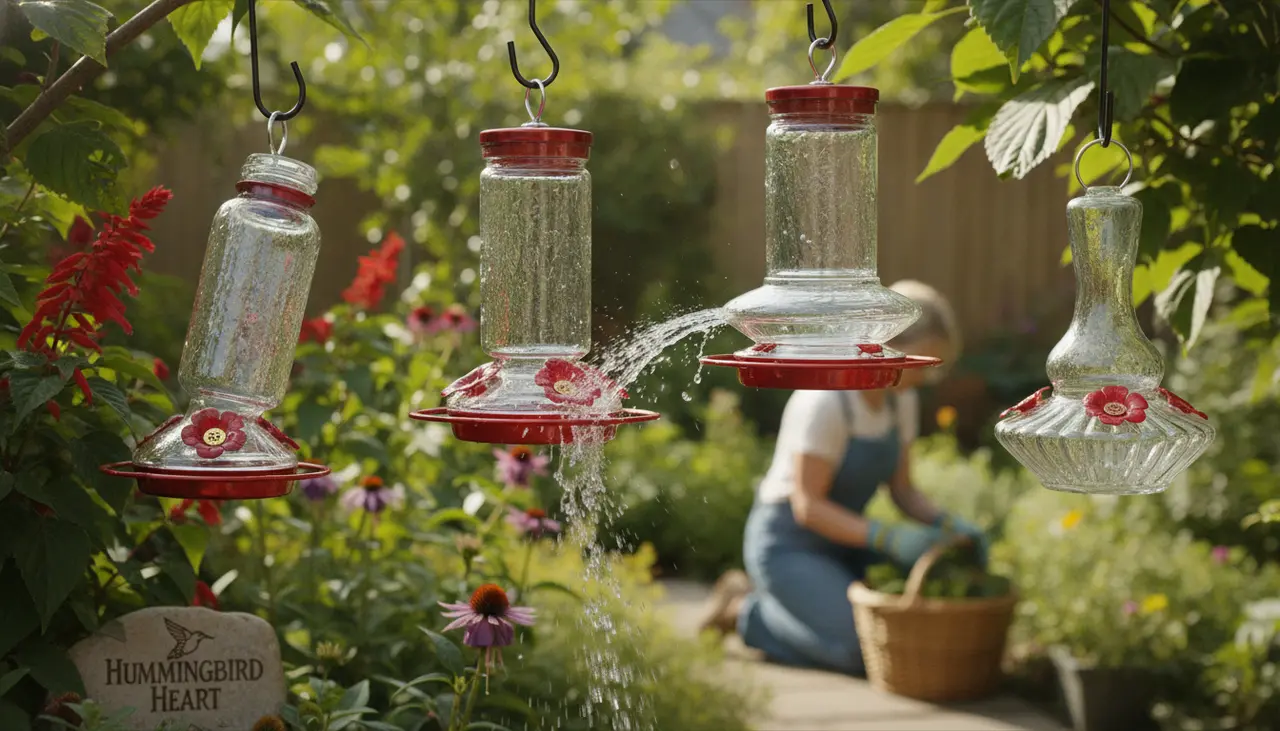
Best Glass Hummingbird Feeders for Easy Cleaning: A Busy Homeowner’s Guide
When you’re juggling school runs, work deadlines, and a never-ending laundry pile, the last thing you need is a high-maintenance hobby. We all want that peaceful moment on the porch watching a Ruby-throated Hummingbird zip through the garden, but the "ick factor" of a moldy, hard-to-clean feeder can quickly turn a joy into a chore.
If you’re looking for the best glass hummingbird feeders, the secret isn't just in the material—it's in the accessibility. A high-quality glass feeder prevents the clouding and scratching common with plastic, making it much easier to see when the nectar needs changing before it becomes a health hazard for your feathered friends.
The Quick Answer: What Makes a Glass Feeder "Easy Clean"?
The best glass hummingbird feeders for busy households are those with a wide-mouth reservoir and a completely detachable base. Look for designs that allow you to fit a standard bottle brush inside the jar and have a base that pops apart into two pieces. This ensures you can reach every nook and cranny where black mold likes to hide, keeping your backyard habitat safe with minimal scrubbing.
Why Glass is the Gold Standard for Busy Birders
I know your mornings are a whirlwind, and sometimes the feeder sits in the sun a day longer than it should. This is where glass truly shines. Unlike plastic, which can develop microscopic scratches that harbor bacteria, glass provides a non-porous surface that stays smooth and sanitary.
- Durability: High-quality glass won't warp in the sun or become brittle over time.
- Visibility: You can spot "cloudy" nectar from the kitchen window, saving you a trip outside to check.
- Heat Resistance: Glass handles hot water much better than plastic, which is essential for deep cleaning.
For a deeper look at how to choose the right setup for your yard, check out The Hummingbird Heart Master Buying Guide for our full breakdown of gear essentials.
Comparison: Top Easy-Clean Glass Feeders
| Feature | Perky-Pet Top-Fill Glass | More Birds Vintage Bottle | First Nature Glass (Wide Mouth) |
|---|---|---|---|
| Cleaning Highlight | Wide-mouth top fill | Fully detachable base | Extra-wide jar opening |
| Capacity | 24 oz | 20 oz | 16 oz |
| Base Material | Plastic (BPA-free) | Metal/Plastic mix | Plastic |
| Best For | High-traffic yards | Garden aesthetics | Beginners & quick rinses |
Top Recommendations for Your Backyard
1. Best for Minimal Scrubbing: Wide-Mouth "Mason Jar" Styles
If you’ve ever tried to clean a traditional "skinny neck" bottle, you know the frustration of trying to wiggle a brush through a tiny opening. Wide-mouth glass feeders (often styled like Mason jars) allow you to use a standard kitchen sponge or a large bottle brush.
- The Trade-off: These are often slightly heavier, so ensure your shepherd's hook or porch mount is sturdy.
2. Best for High-Volume Feeding: Top-Fill Glass Reservoirs
Brands like Perky-Pet have revolutionized the "top-fill" design. Instead of flipping the feeder upside down (and inevitably spilling nectar on your shoes), you simply unscrew the cap and pour. Because the top and bottom both open, you can run a brush straight through the middle.
- The Trade-off: These require a good gasket seal to prevent leaking, so always double-check the silicone ring after washing.
3. Best for Garden Aesthetics: Hand-Blown Glass
For the gardener who treats their backyard like a sanctuary, hand-blown glass feeders from brands like Grateful Gnome offer stunning colors that attract birds naturally.
- The Trade-off: While beautiful, these often have narrower necks. You will need a specialized flexible brush to reach the curved "shoulders" of the glass.
Internal Callout: Hand-Washing vs. Dishwasher
It’s tempting to toss everything in the dishwasher and call it a day. However, most hummingbird feeder bases contain plastic parts or rubber gaskets that can warp in high heat.
- The Glass: Usually dishwasher safe (top rack), but hand-washing with hot water and white vinegar is often faster and prevents soap residue, which hummingbirds hate.
- The Base: Always hand-wash. Use a small "straw brush" to clean the feeding ports where bees and ants might leave debris.
Beginner Mistakes to Avoid
When you're just starting out, it's easy to fall for marketing gimmicks. Avoid these common pitfalls to keep your hobby low-stress:
- Using Red Dye: You don't need it! The red accents on the glass or base are enough to attract birds. Clear nectar (1 part sugar to 4 parts water) is safer and easier to monitor for freshness.
- Neglecting the Ant Moat: Many glass feeders are heavy. If you don't use an ant moat, you'll find yourself cleaning out drowned bugs daily.
- Buying "Decorative" Only: Some beautiful glass feeders are glued together in ways that make it impossible to clean the inside. Always ensure the base comes apart.
Frequently Asked Questions
How often do I really need to clean a glass feeder? In the heat of summer, nectar can ferment in as little as 2 days. During cooler spring or fall days, you can stretch it to 4-5 days. If the nectar looks cloudy or you see black spots, it's time for a scrub.
Will glass feeders break in the winter? Yes, if nectar freezes, it expands and can crack the glass. If you live in a cold climate, bring your glass feeders inside once the last migrants have left, or use a specialized feeder heater if you have year-round residents like Anna’s Hummingbirds.
Are glass feeders better for the environment? Generally, yes. They last many seasons longer than plastic, which eventually breaks down under UV exposure and ends up in a landfill.
Affiliate Disclosure: This post contains affiliate links. If you purchase a feeder through one of our links, Hummingbird Heart may earn a small commission at no extra cost to you. We only recommend products that meet our high standards for bird safety and user-friendliness.