
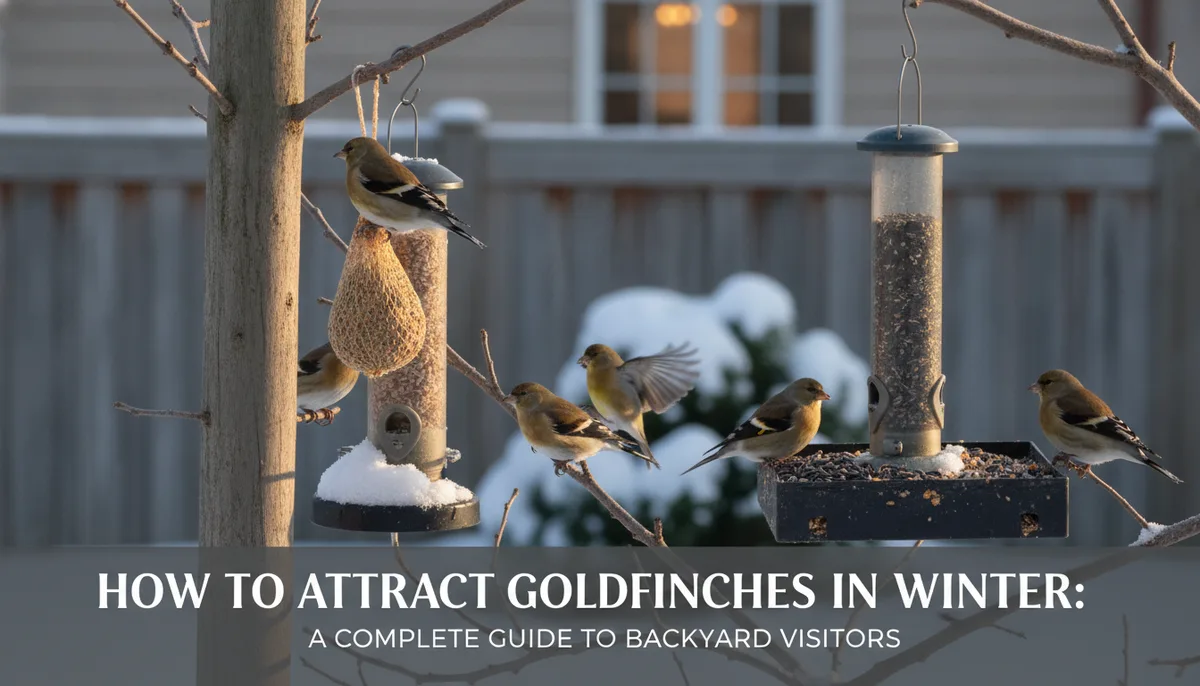
How to Attract Goldfinches in Winter: A Complete Guide to Vibrant Backyard Visitors
American Goldfinches are a joy to witness with their vibrant yellow coloring and black and white wing markings. During the spring and summer, they are unmistakable flashes of sun against the green foliage. However, as the temperatures drop and the landscape turns gray, many bird enthusiasts wonder if these cheerful songbirds vanish with the heat.
The truth is, if you are lucky enough to live within their range—particularly if you reside in the Northeastern United States—you can see them all year round. While their plumage fades to a more camouflaged olive-drab during the colder months, their cheerful chirping and acrobatic feeding habits can bring much-needed life to your yard in the dead of winter.
Attracting Goldfinches in winter requires a slightly different approach than summer birding. Because natural food sources become scarce and weather conditions turn harsh, these small birds become more selective about where they spend their energy. By following a few strategic steps, you can make your yard an irresistible winter haven for them.
1. Prioritize High-Energy Winter Seeds
One of the things that make Goldfinches easy to attract is that their diet is almost exclusively made up of seeds. Unlike many other songbirds that supplement their diet with insects or berries, Goldfinches are strict granivores. This makes providing them with their favorite food effortless, provided you know what they crave.
The Power of Thistle (Nyjer) Seed
If there is one thing a Goldfinch loves more than anything else, it is thistle seed, often sold commercially as Nyjer. These tiny, oil-rich black seeds provide the high caloric intake necessary for a small bird to maintain its body temperature during freezing winter nights.
To serve these effectively, many birders prefer to use special thistle seed socks. These are mesh bags that allow the birds to cling to the outside and extract the small seeds from between the fibers. Watching a flock of Goldfinches hanging upside down and sideways from a seed sock is a heart-warming scene that highlights their natural agility.
Sunflower Seeds: The Winter Staple
While Nyjer is a favorite, you should also include sunflower seeds in your winter offerings. Goldfinches particularly enjoy sunflower hearts or chips (seeds with the shells already removed). Because these birds are small, they often prefer the smaller "black oil" variety of sunflower seeds over the larger striped ones, as the shells are thinner and easier to crack.
2. Choose Specialized Feeders for Small Songbirds
Choosing the right feeder is the next obvious thing to do to ensure that these colorful finches come for a visit. In the winter, competition at the feeder can get fierce. Larger, more aggressive birds like Blue Jays or Grackles can easily bully smaller finches away from a standard platform feeder.
Small-Port Tube Feeders
Your best bet is to get a feeder that is specially made for Goldfinches. This type of bird feeder typically features very small feeding ports or a fine mesh. The small size of the ports discourages larger birds from using it, effectively giving the Goldfinches their own private "VIP" lounge.
Mesh and Tube Feeders for Weather Protection
In winter, the construction of the feeder is just as important as the size. We recommend going for a mesh or tube feeder because they help keep the seeds dry. If seeds are exposed to rain or melting snow on an open tray, they quickly become a sodden mess. A tube feeder with a protective overhanging roof ensures that the Goldfinches can access dry, nutritious food even during a snowstorm.
For those who want to see the action up close, consider a window-mounted option. You can learn more about the effectiveness of these in our guide on Window Feeders: Will Birds Actually Use Them? The Pros and Cons of Up-Close Magic.
3. Manage Moisture and Seed Freshness
A useful tip that can help you attract more Goldfinches in winter is to ensure that their seeds remain bone-dry. As you know, moisture levels go up in winter due to snow, sleet, and frost. When seeds become damp, they can clump together, making them difficult for the birds to extract. More dangerously, damp seeds are a breeding ground for mold and bacteria.
The Replacement Rule
Goldfinches are surprisingly picky eaters. If the seed in your feeder has been sitting for a month and has been through several freeze-thaw cycles, they will likely ignore it. It is always a good idea to replace uneaten food every three to four weeks so that the seeds are always fresh.
Cleaning Protocols
Winter hygiene is critical. Because birds congregate in larger flocks during the winter to share warmth and find food, the risk of disease transmission increases. Every time you refill your feeder, give it a quick check for any signs of mold or debris. A deep clean with a mild vinegar solution once a month will keep your visiting Goldfinches healthy and vibrant.
4. Leverage Natural Vegetation and Winter Cover
Since we’re talking about making a home of your yard for Goldfinches, providing natural vegetation there only makes sense. While your feeders provide the "main course," your landscaping acts as the "shelter and snacks" that keep them in the area throughout the day.
Leaving Seed Heads Standing
Many gardeners are tempted to "put the garden to bed" in late autumn by cutting back all the dead flowers. However, if you want Goldfinches, you should leave those seed heads standing.
- Sunflowers: Even after the petals fall, the heavy heads of sunflowers produce a huge amount of seeds that Goldfinches love to pluck.
- Asters and Coneflowers: These are excellent candidates to include in your garden. They remain sturdy throughout the winter, providing a natural perch and a food source.
- Wild Thistle: Goldfinches love its seeds just as much as the store-bought variety. They will gather around these plants in winter, pulling the thin seeds out with unmatched accuracy.
Nesting Materials and Shelter
Sometimes Goldfinches like to get close to plants for purposes other than feeding. While they don't nest in the winter, they do look for dense cover to hide from hawks and harsh winds. Evergreens and thick shrubs are vital. Additionally, keeping plants like cattails, dandelions, and milkweed in your yard provides them with the "downy" material they use for insulation and future nest-building.
For a broader look at how to set up your garden for success, check out The Hummingbird Heart Master Buying Guide for insights on high-quality garden equipment.
5. Avoid Dangerous Plants: The Burdock Warning
While most native plants are beneficial, there is one specific plant you should steer clear of: Burdock.
Burdock produces multiple burrs—those sticky, hooked seed heads that cling to your clothes or your dog's fur. For a bird as small as a Goldfinch, these burrs are more than just a nuisance; they are a death trap. Because Goldfinches are so light, they can easily become captured in the tangles of a burdock plant and find themselves unable to break free. When planning your winter bird sanctuary, ensure that any burdock is removed from the vicinity to keep your feathered friends safe.
Understanding Winter Behavior and Appearance
One common mistake new birders make is thinking their Goldfinches have left because they no longer see "yellow birds." In the winter, the American Goldfinch undergoes a molt. The brilliant, "high-vis" yellow of the male disappears, replaced by a subtle, brownish-olive plumage.
This drabber color is a survival mechanism, allowing them to blend into the brown branches and gray skies of winter, protecting them from predators. Even though they look different, their personality remains the same. You will still hear their distinctive "per-chic-o-ree" call as they fly in their characteristic undulating, wave-like pattern.
By providing the right food, keeping it dry, and maintaining a safe, plant-rich environment, you can ensure that these delightful birds remain a constant presence in your yard until the spring sun coaxes their golden feathers back into view.
For more information on managing bird behavior in your yard, you might find our article on Why Hummingbirds Fight: Managing Feeder Aggression interesting, as many of the same principles of feeder placement and territory apply to all songbirds.