
Helpful Hummingbird Guides for Your Backyard
Practical comparisons and setup tips that help nature enthusiasts attract and care for hummingbirds with confidence.
How often should you change hummingbird nectar?
Nectar should be changed every 3 to 5 days in cool weather, and daily when temperatures exceed 90 degrees Fahrenheit. This prevents fermentation and the growth of harmful mold or bacteria that can be fatal to hummingbirds.
Start with the decision you need to make
Practical, heart-led advice for attracting and supporting hummingbirds safely.
Complete Hummingbird Nectar Safety Guide
Part of the Ruby-throated Hummingbird knowledge map for Hobbyist bird watchers and backyard gardeners seeking a peaceful, low-stress connection with nature through wildlife observation..
Guide to Hummingbird Migration
Part of the Anna's Hummingbird knowledge map for Hobbyist bird watchers and backyard gardeners seeking a peaceful, low-stress connection with nature through wildlife observation..
Cleaning and Sanitizing Your Feeders
Part of the Sucrose Nectar knowledge map for Hobbyist bird watchers and backyard gardeners seeking a peaceful, low-stress connection with nature through wildlife observation..
Native Plants for Hummingbirds by Region
Part of the Ant Moats knowledge map for Hobbyist bird watchers and backyard gardeners seeking a peaceful, low-stress connection with nature through wildlife observation..
Pest Control for Bird Feeders
Part of the Perky-Pet knowledge map for Hobbyist bird watchers and backyard gardeners seeking a peaceful, low-stress connection with nature through wildlife observation..
Photography Tips for Tiny Birds
Part of the First Nature knowledge map for Hobbyist bird watchers and backyard gardeners seeking a peaceful, low-stress connection with nature through wildlife observation..
Names identify subjects we research and do not imply sponsorship, endorsement, or affiliation.
Worth Comparing Categories
Latest Handbooks & Guides
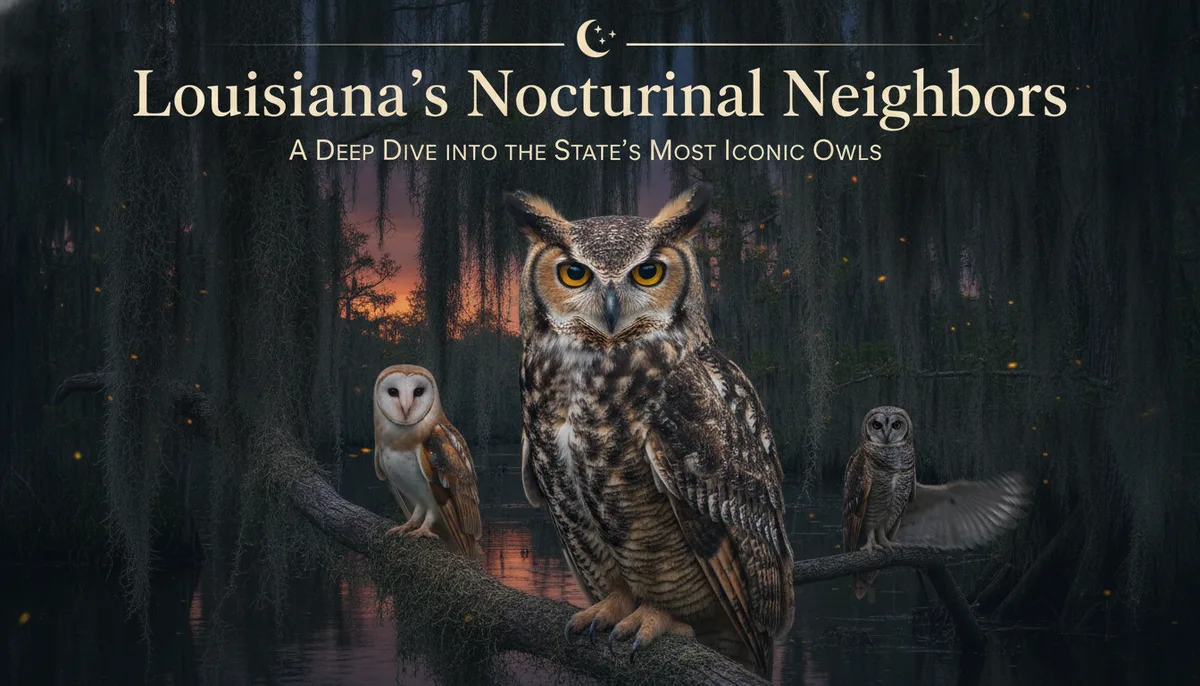
Louisiana’s Nocturnal Neighbors: A Deep Dive into the State’s Most Iconic Owls
Explore the mysterious world of Louisiana's owls. From the powerful Great Horned Owl to the elusive......
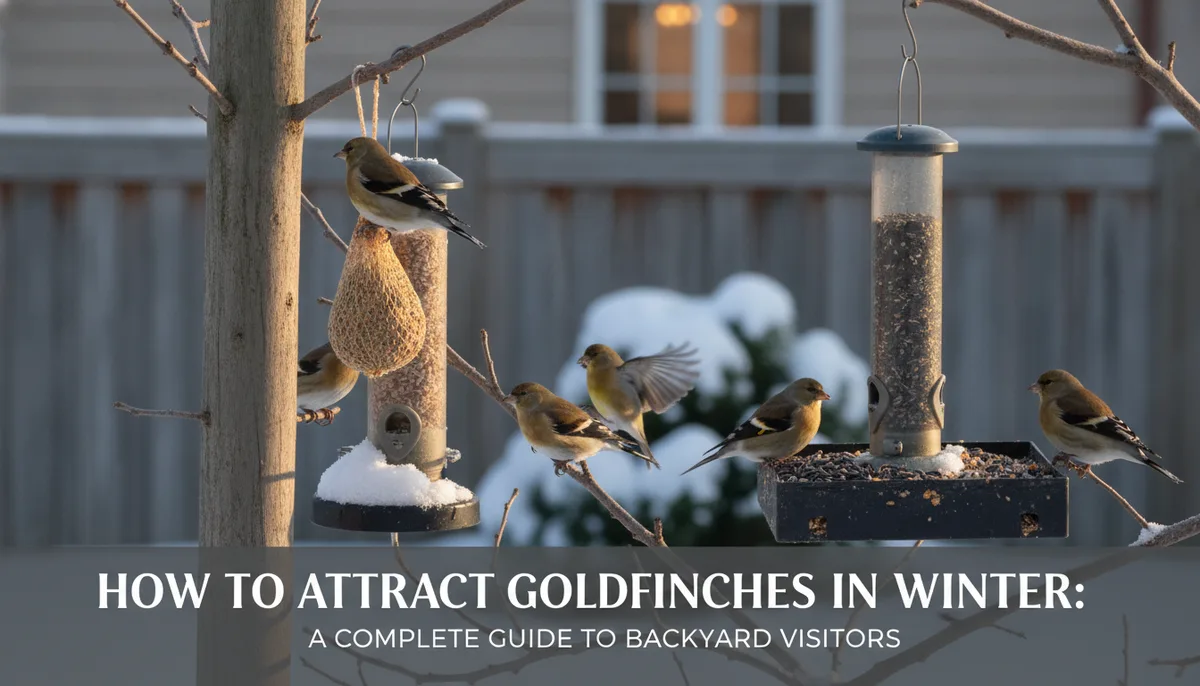
How to Attract Goldfinches in Winter: A Complete Guide to Vibrant Backyard Visitors
Transform your winter backyard into a sanctuary for American Goldfinches. Learn the specific seeds, feeder......
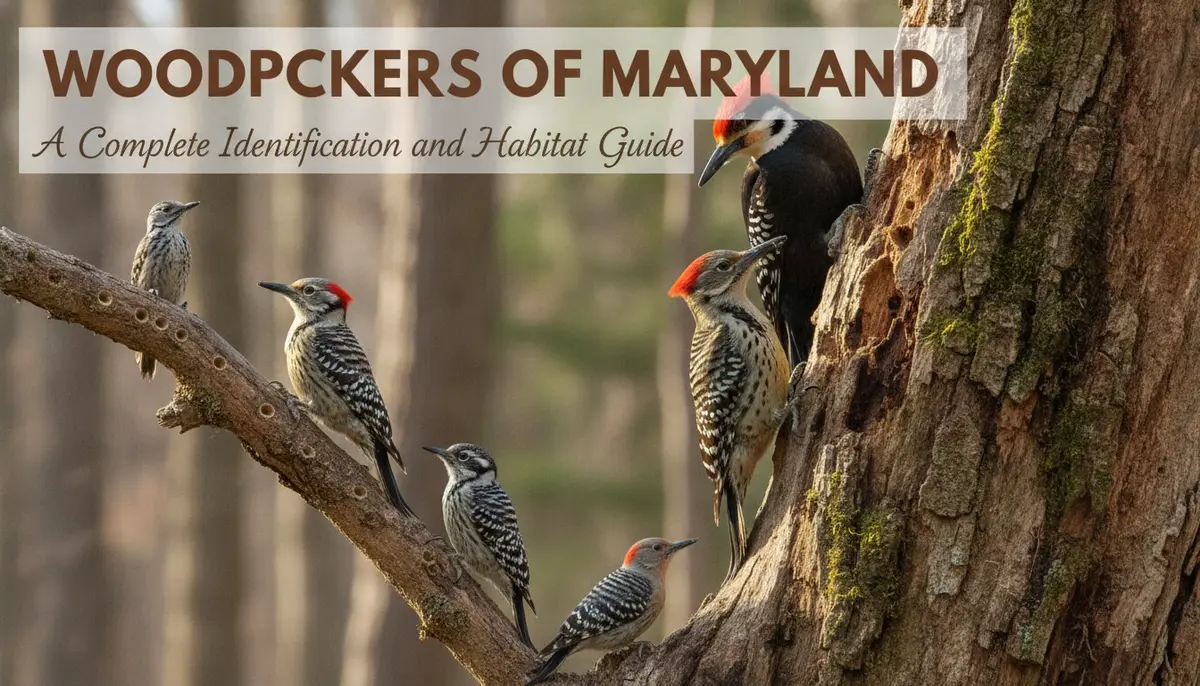
Woodpeckers of Maryland: A Complete Identification and Habitat Guide
Maryland is home to eight distinct species of woodpeckers, from the massive Pileated to the rare......
The decisions this site is built to answer
| Comparison | Search intent | What the guide evaluates |
|---|---|---|
| Glass vs Plastic Hummingbird Feeders | best easy clean hummingbird feeder | Specs, total fit, tradeoffs, and buyer priorities |
| Top-Fill vs Bottom-Fill Feeder Designs | glass vs plastic hummingbird feeders | Specs, total fit, tradeoffs, and buyer priorities |
| Homemade Nectar vs Store Bought Mixes | where to buy hummingbird nectar heaters | Specs, total fit, tradeoffs, and buyer priorities |
| Window Mount vs Pole Hanging Feeders | ant proof hummingbird feeders for sale | Specs, total fit, tradeoffs, and buyer priorities |
| Bee Guards vs Nectar Guards | best window mount hummingbird feeders | Specs, total fit, tradeoffs, and buyer priorities |
What first-time buyers commonly miss
- Using red dye in homemade nectar
- Using honey or artificial sweeteners
- Leaving feeders out until nectar becomes cloudy
- Hanging feeders in direct, high-heat sunlight all day
- Ignoring the presence of ants and bees
Useful analysis without invented authority
We analyze product specifications, user feedback from long-term owners, and manufacturer safety data to provide reliable gear recommendations.
Some links on this site may be affiliate links. If you buy through those links, we may earn a commission at no extra cost to you. We use that support to keep building practical guides, comparisons, and reader-focused research.